Kafue National Park — an authentic African wilderness experience
Remote, vast and wonderfully untouched, Kafue offers exceptional wildlife, wild landscapes and a true sense of adventure away from the crowds. Expect unforgettable game drives, walking safaris and waterways teeming with life.
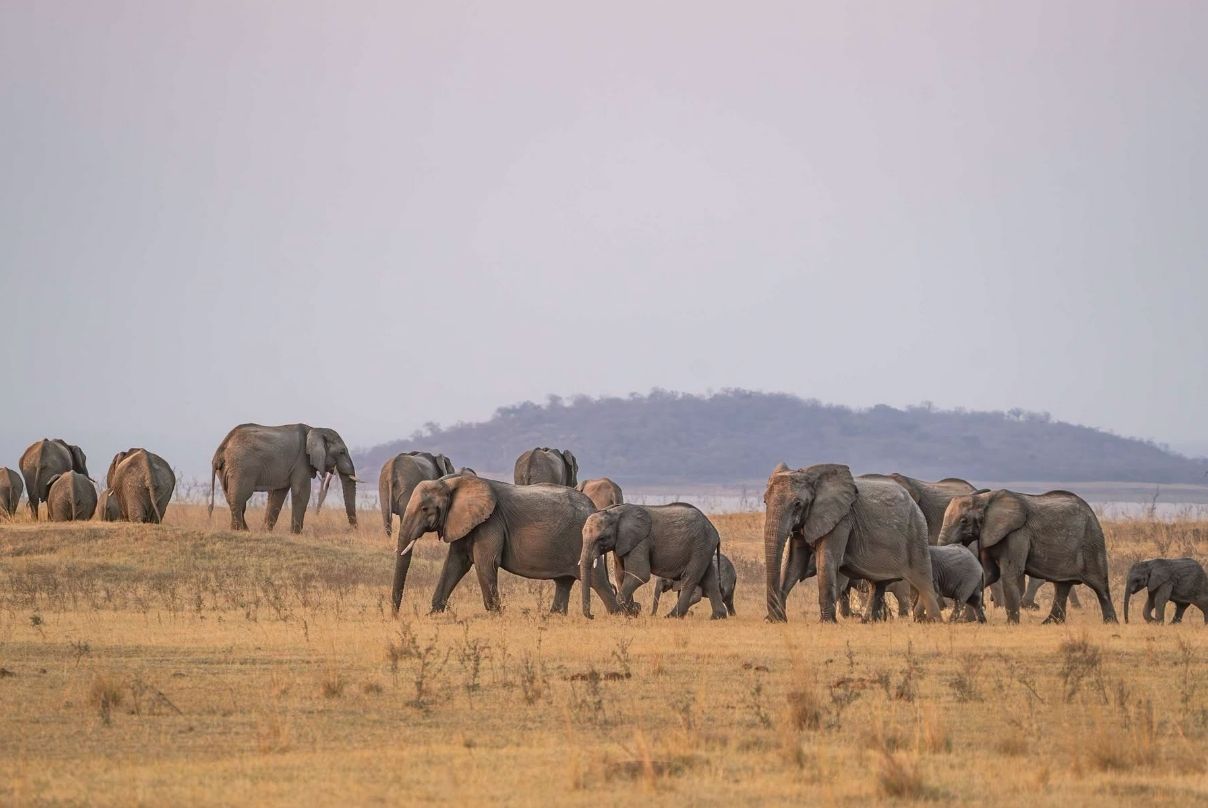
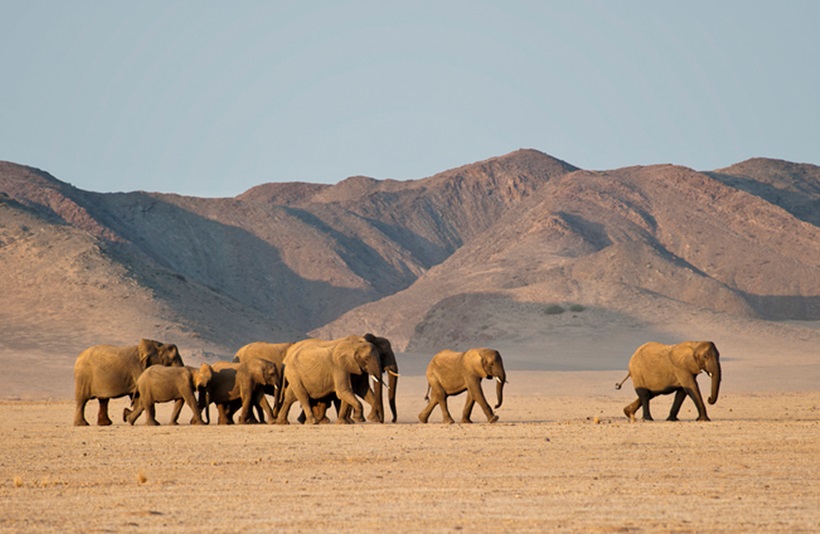
Kafue National Park covers an extensive 22,400 km2 area in western Zambia. Proclaimed in 1950, it is Zambia’s oldest national park and one of the world’s most important natural heritage sites. As an essential water source for the region, Kafue is also one of the last vast expanses of the iconic Zambezian ecoregion – home to elephant, large predators, such as wild dog, cheetah and lion, the highest diversity of antelope species in Africa, and over 500 bird species.
In 2021, groundwork for the long-term restoration of the park was laid with an 18-month Priority Support Plan. In this time, significant infrastructure investments were made, conservation measures improved, jobs created, and education enhanced through a literacy programme. This paved the way for a 20-year management partnership between African Parks and the Zambian government, signed in July 2022, with biodiversity recovery, community development and consolidation of tourism comprising the primary focus areas in managing this critically important ecosystem.
Kafue’s enormous water-rich landscape, and vital biodiversity is crucial in delivering essential ecosystem services to thousands of people. At the same time, conserving the landscape helps generate critically needed revenue through tourism, employment and socio-economic opportunities for local communities.
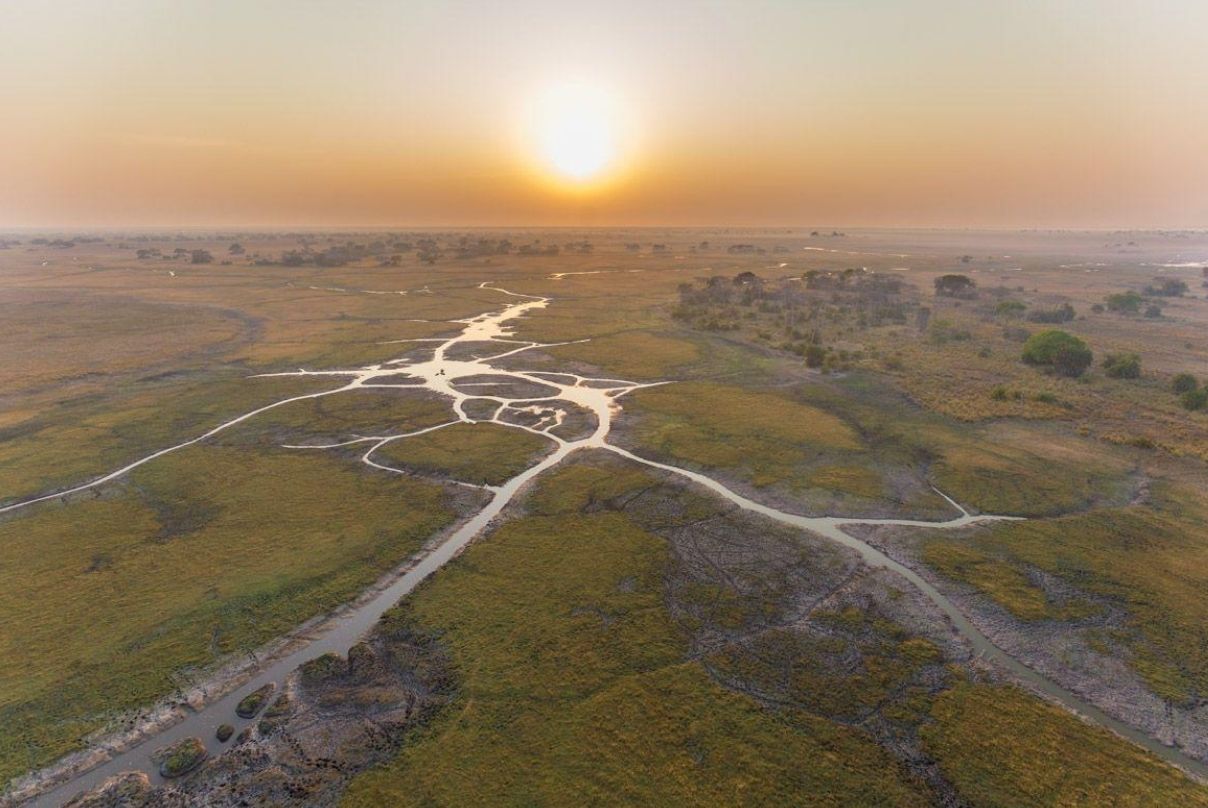
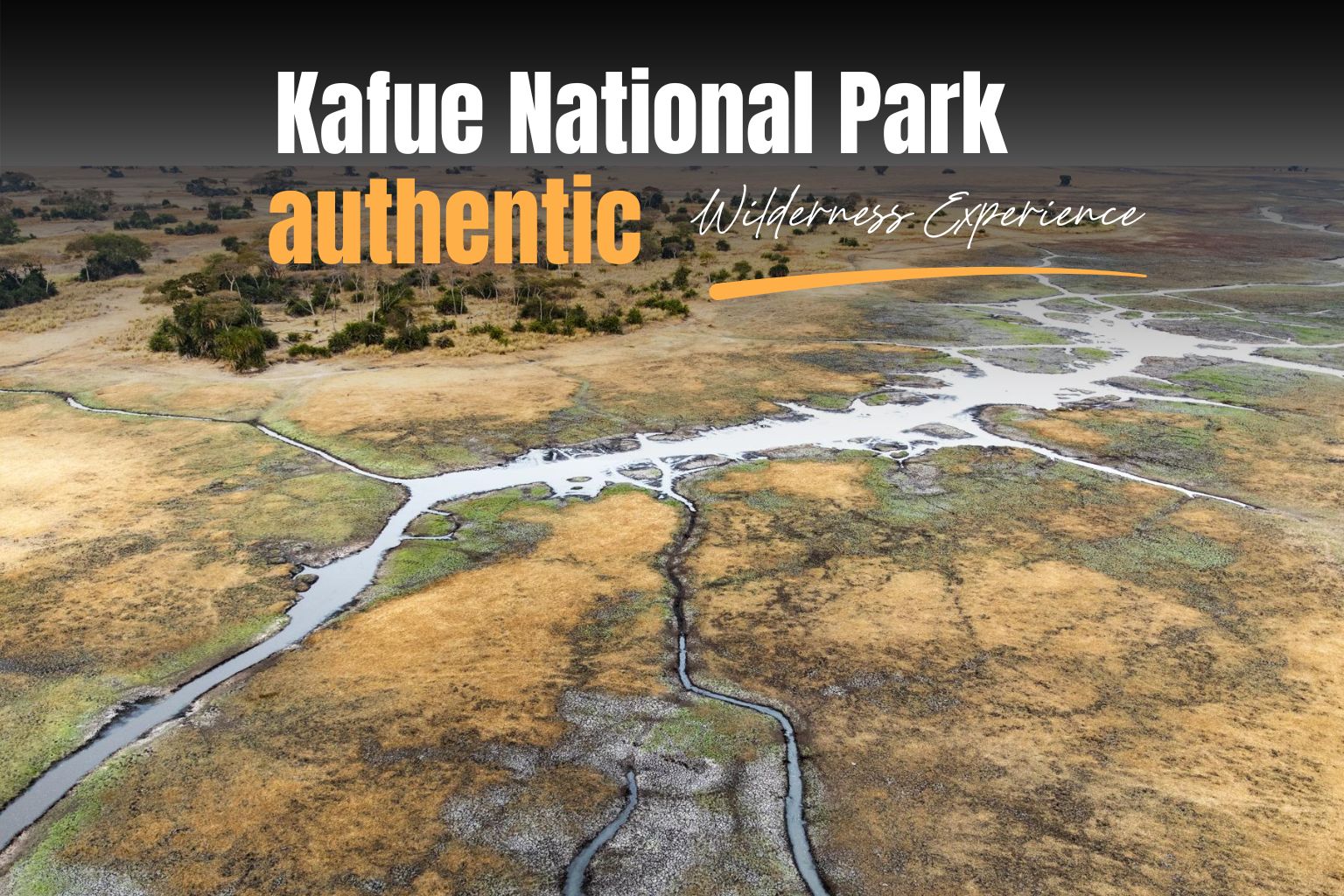
The park encompasses an exceptional variety of ecosystems, including open savannas, miombo woodlands, riverine forests, wetlands, and seasonal floodplains. The Busanga Plains in the park’s north are especially famous for sweeping grasslands that flood during the rainy season and become prime wildlife-viewing areas as waters recede, while the Kafue River and its tributaries support rich aquatic habitats throughout the park.
Kafue is not about how many animals you can tick off in a day. It is about the incredible diversity of wildlife, habitats and experiences found within one of Africa’s great wilderness areas.
If you’re looking for the Big Five in 24 hours, Kafue may not be the safari for you. But if you want something more rewarding — a remote, wild and diverse African safari — Kafue is a very special place. Kafue has healthy populations of many of Africa’s most charismatic species, but it is the diversity that makes the park truly exceptional.
It is home to an extraordinary range of antelope, from roan, sable and hartebeest in the miombo woodlands to sitatunga and lechwe in the wetlands, as well as rare duikers hidden within the thickets.
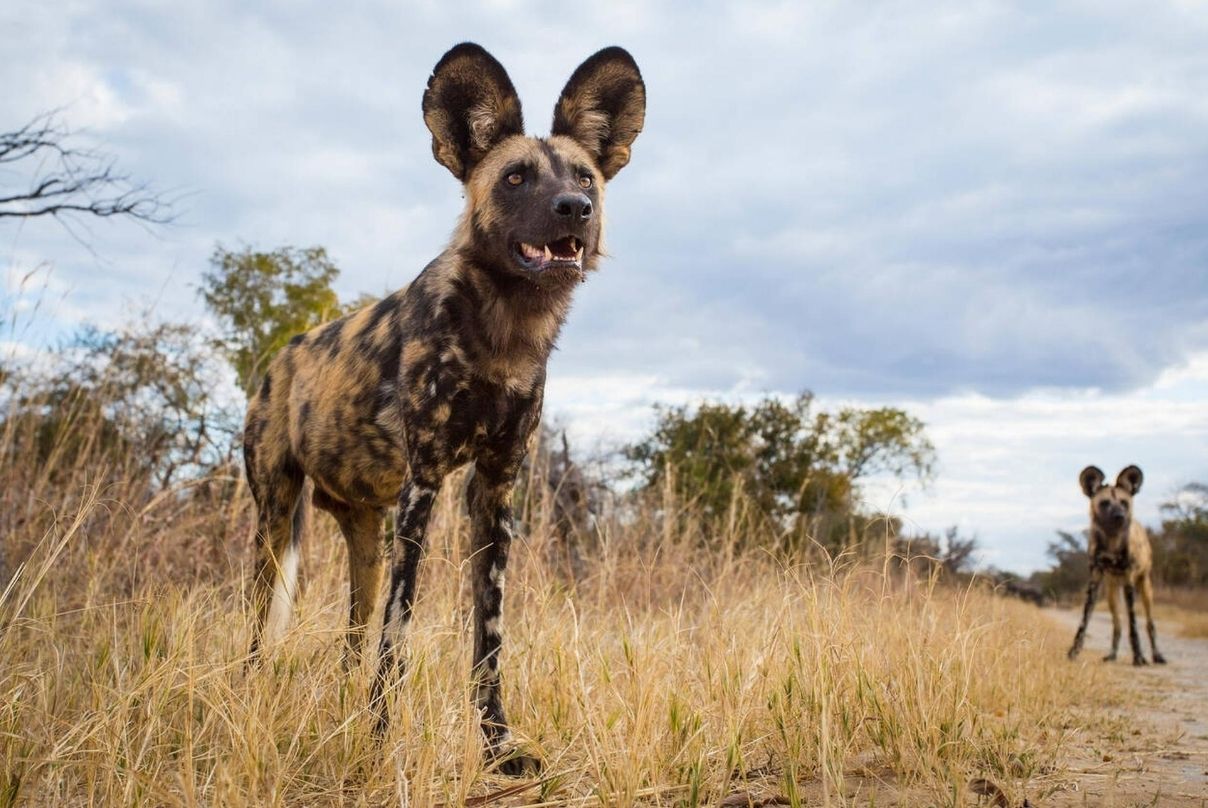
African wild dogs are among the most sought-after sightings on safari — rare, elusive and incredibly difficult to find. Kafue is considered one of Africa’s important strongholds for this endangered predator, with packs found across a remarkable variety of habitats, from woodland to riverine areas and dambos. Kafue is regarded as one of Africa’s best destinations for leopard sightings. In the right areas and at the right time of year, these elusive cats can be surprisingly frequently encountered.
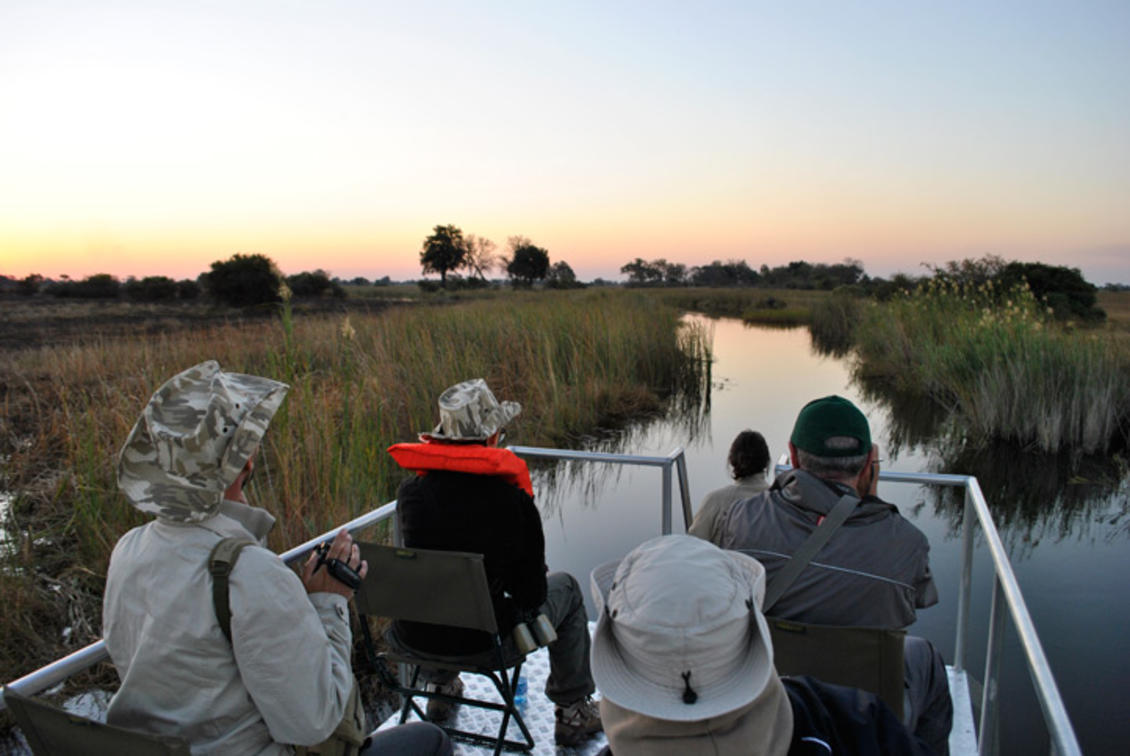
Night drives offer another opportunity to find them, while boat cruises along the Kafue River can sometimes reveal leopards coming down to drink.
Kafue is home to more species of ungulate than any national park south of the Congo Basin. Rare and elusive antelope such as blue and yellow-backed duikers occur in the thickets, sitatunga and lechwe in the swamps, roan, sable and hartebeest in the miombo woodlands… the list goes on.
The park is regarded as one of the best places in Africa to find leopard. In certain areas and times of year these secretive and elusive predators are frequently seen, especially on night-drives (allowed in the Kafue) and even from afternoon boat cruises along the Kafue River in the hotter months when they come down to drink.
Busanga is one of the few known breeding sites for endangered wattled cranes and it is not uncommon to see large aggregations of these rare birds, sometimes in mixed flocks with the iconic crowned cranes that scour the plains in search of food. Busanga is famous for its predator sightings, notably lion. The Busanga prides are well known by the guides at the safari camps situated on the plains and nobody can give you a better insight into the dynamics of this fascinating population.
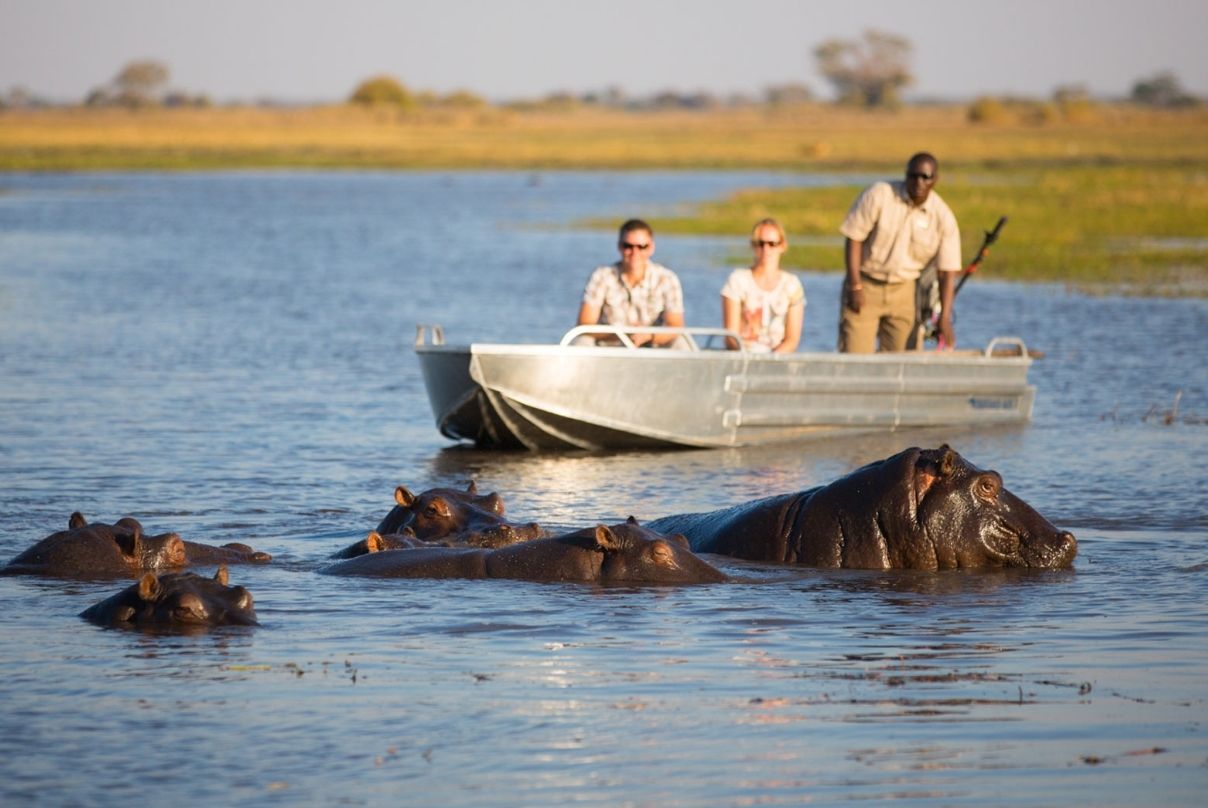
Kafue is named after the river that bisects it almost north through south. The Kafue River is the largest tributary of the mighty Zambezi River and is the only truly Zambian river (that is it begins and ends within the borders of the country). It is large, broad and unhurried in places, interspersed with fast-flowing rapids and is home to otters and hippo, and sand islands with colonies of African skimmers and basking crocodiles.
The river eventually feeds the beautiful Lake Itezhi-Tezhi, a fantastic spot for keen birdwatchers.
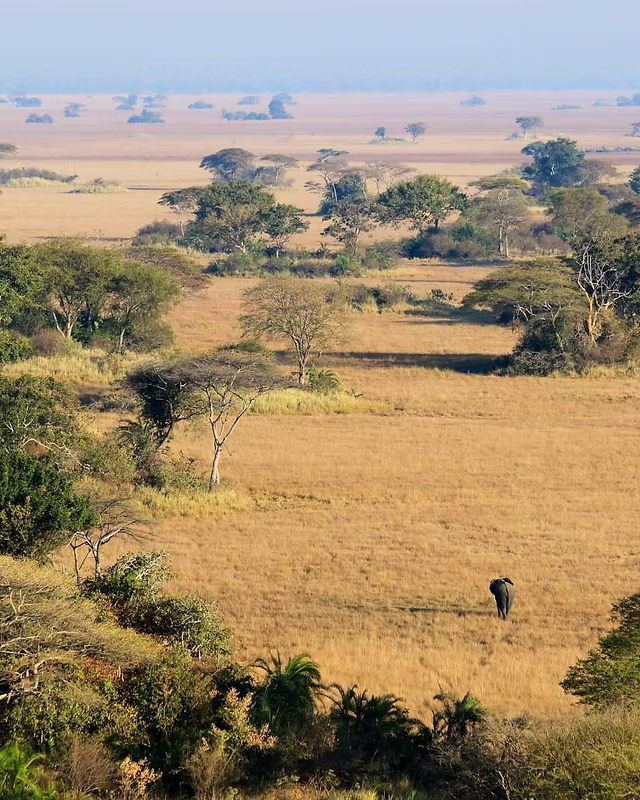
Kafue National Park
Best Time to Visit
- June to October (dry season): Best for wildlife viewing as animals gather around water sources.
- November to April (rainy season): Lush landscapes and excellent birdwatching, though some roads and camps may be inaccessible.
Why Kafue Should Be Your Next Safari Destination
If you’re looking for an authentic African wilderness experience away from the crowds, Kafue National Park in Zambia deserves a place at the top of your safari list.
As one of Africa’s largest national parks, Kafue offers vast open landscapes, diverse wildlife and a wonderfully remote safari experience. From the wildlife-rich Busanga Plains to the winding Kafue River, every day brings a sense of adventure and discovery.
Kafue isn’t about ticking off a list of famous destinations. It’s about getting away from it all, reconnecting with nature and experiencing Africa in its wildest form.
If your idea of safari is wild, remote and unforgettable — Kafue should be your next destination.