How to Plan a 14-Day Southern Africa Safari
A 14-day safari in Southern Africa is the perfect amount of time to experience several of the region’s most spectacular destinations without feeling as though you are constantly travelling from one place to another.
From the vibrant streets and dramatic coastline of Cape Town to the vineyards of the Cape Winelands, the thundering waters of Victoria Falls and unforgettable wildlife encounters in a private game reserve, Southern Africa offers an incredible variety of experiences within a single journey.
But with so many destinations, lodges and safari options available, planning the right itinerary can feel overwhelming.
At African Sunrise Safari, we believe the best safari is one that is designed around you. Here is our guide to planning an unforgettable 14-day Southern Africa safari.
Why Choose 14 Days?
Two weeks gives you enough time to combine different experiences while still allowing time to relax and enjoy each destination.
Rather than spending your entire holiday travelling between destinations, a well-planned itinerary balances:
- City experiences
- Scenic landscapes
- Wine and food
- Wildlife and safari
- Adventure
- Relaxation
- Cultural experiences
A 14-day itinerary can typically include three or four destinations, depending on the distances involved and how much time you want to spend on safari.
The key is not to try to see everything. Southern Africa is vast, and the best trips focus on a few exceptional experiences rather than attempting to tick every destination off a list.
Step 1: Decide What You Want From Your Safari
Before choosing destinations, think about what you want your holiday to feel like.
Are you looking for:
Big Five wildlife?
South Africa, Botswana, Zimbabwe and Zambia all offer exceptional safari experiences.
Scenery and relaxation?
Cape Town and the Cape Winelands are ideal for combining spectacular scenery with excellent restaurants, wine estates and luxury accommodation.
Adventure?
Victoria Falls offers activities ranging from scenic flights and river cruises to more adventurous experiences.
A luxury escape?
Private safari lodges, boutique hotels and exclusive-use properties can turn a two-week trip into a truly special experience.
A family adventure?
Families may benefit from shorter travel days, private transfers and lodges that offer child-friendly activities.
Knowing what matters most to you makes it much easier to build the right itinerary.
Step 2: Choose Your Destinations
One of the biggest advantages of travelling through Southern Africa is the ability to combine very different destinations in one holiday.
A popular 14-day itinerary might look like this:
Days 1–4: Cape Town
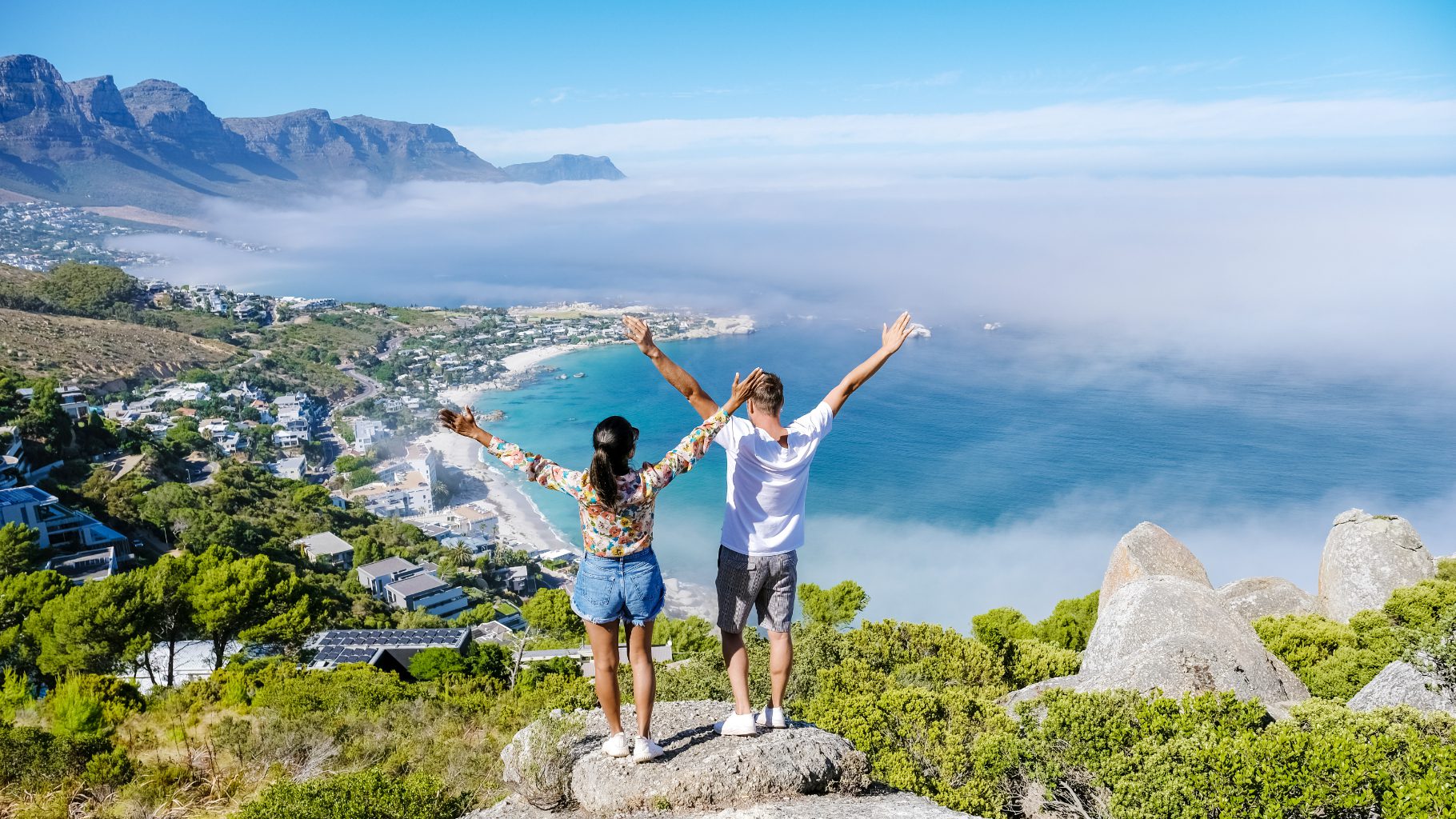
Begin your journey in Cape Town, one of Africa’s most beautiful cities.
Spend your first few days exploring Table Mountain, the V&A Waterfront, the Cape Peninsula and the city’s beaches and neighbourhoods.
You can also visit historic Robben Island, explore the colourful streets of Bo-Kaap or simply enjoy Cape Town’s restaurants and spectacular views.
Cape Town is also an excellent introduction to South Africa because it allows you to recover from your international flight before heading into the bush.
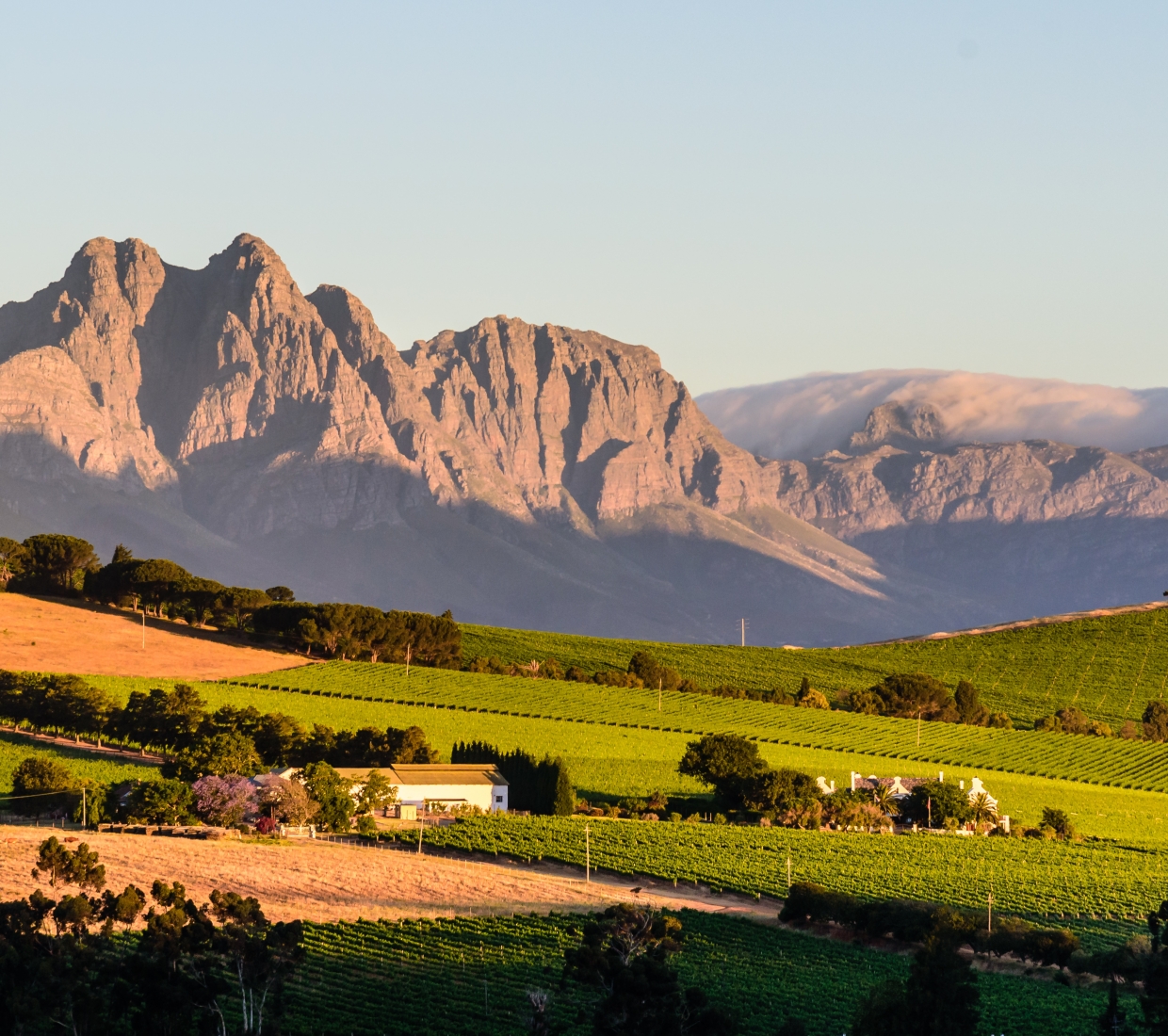
Days 5–6: Cape Winelands
Continue to the Cape Winelands and spend a couple of nights in areas such as Stellenbosch or Franschhoek.
Here, the pace changes completely.
Enjoy wine tastings, scenic drives, farm-to-table dining and beautiful mountain landscapes.
For food and wine lovers, the Winelands can be one of the highlights of the entire trip.
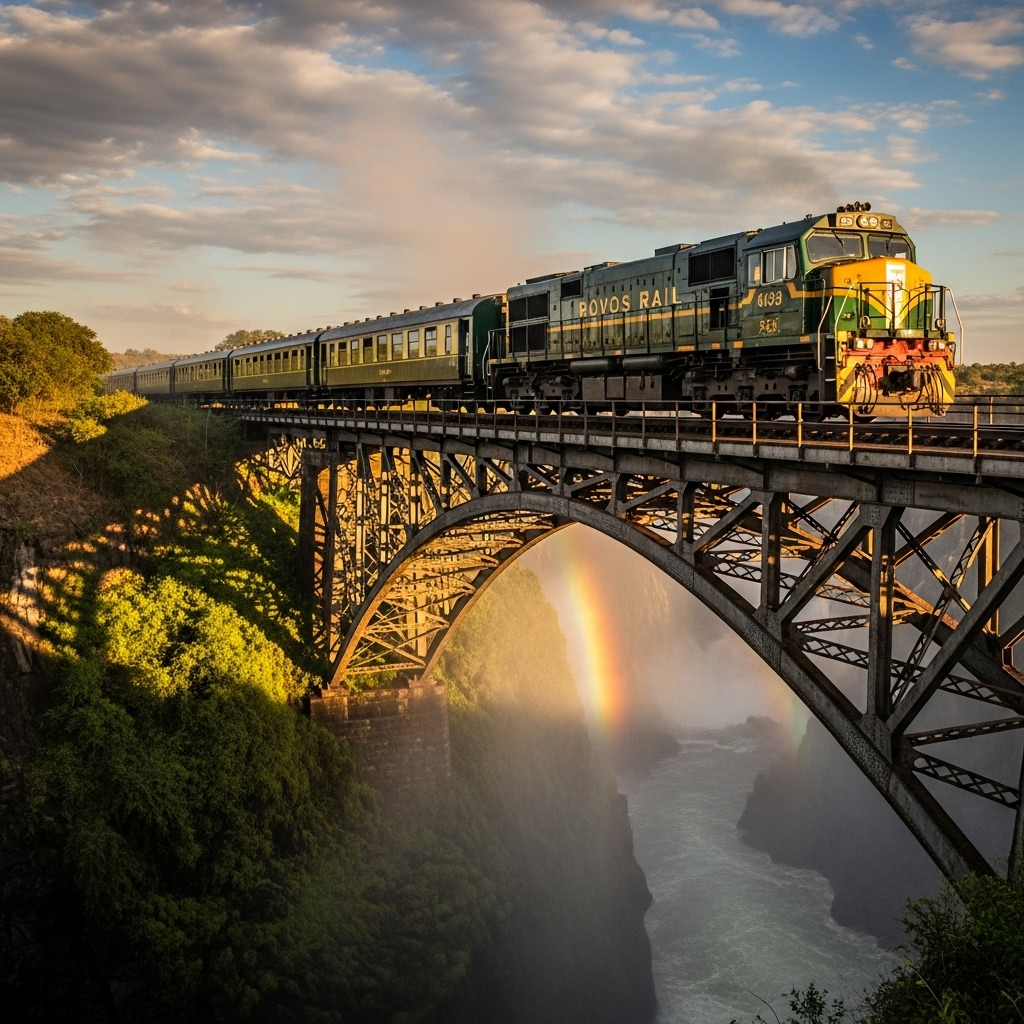
Days 7–8: Victoria Falls
From South Africa, fly north to Victoria Falls.
Seeing the mighty Zambezi River plunge over the falls is an unforgettable experience.
Depending on the season, visitors can enjoy viewpoints around the falls, sunset cruises, scenic helicopter flights and a variety of adventure activities.
Two nights gives you enough time to experience the falls without making the stop feel rushed.
Days 9–13: Safari
Now it is time for the highlight of the journey — safari.
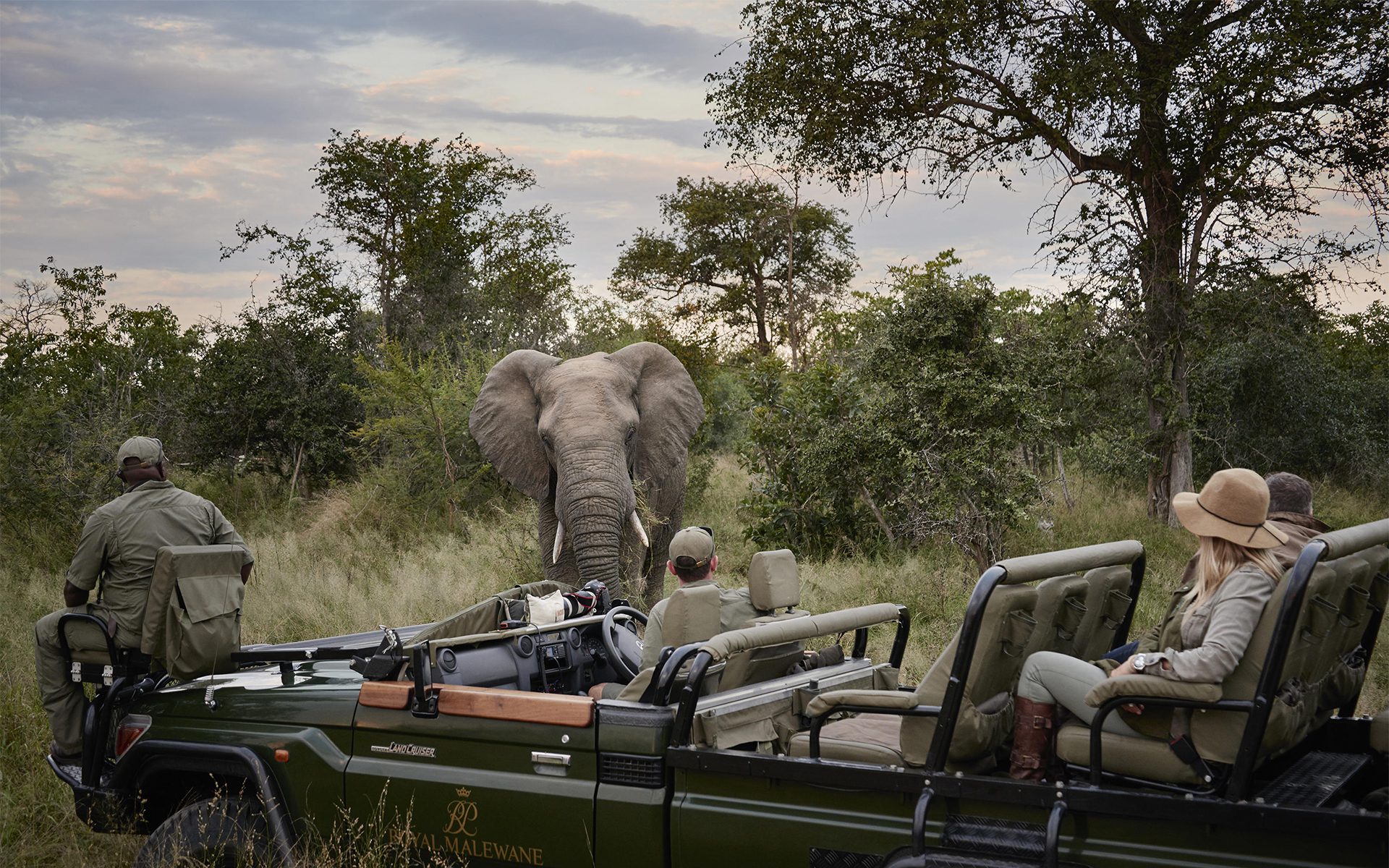
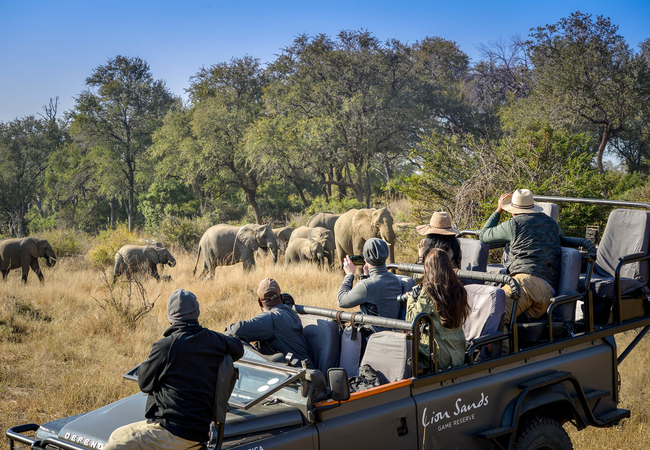
Fly into a private game reserve or national park and settle into the rhythm of the African bush.
A typical safari day may begin before sunrise with an early morning game drive. After breakfast, you can relax at the lodge before heading out again in the afternoon.
As the sun begins to set, wildlife becomes active and the landscape takes on a completely different atmosphere.
Spend several nights in one safari area rather than moving between multiple lodges. This gives you a much better chance of settling into the environment and experiencing the destination properly.
Day 14: Departure
After your final morning activity, transfer to the airport for your journey home.
Depending on your international flight schedule, you may need to include an overnight stay near your departure airport.
Depending on your international flight schedule, you may need to include an overnight stay near your departure airport.
Step 3: Allow Enough Time for Safari
If wildlife is one of the main reasons for your trip, we recommend allowing at least three to five nights for your safari experience.
Safari is not a zoo visit where animals are guaranteed to appear on a schedule.
Every game drive is different.
One morning you might watch a pride of lions resting beneath a tree. The next day you could encounter elephants crossing a river or spot a leopard moving through the grass.
The longer you stay, the more opportunities you have to experience these unpredictable moments.
A longer stay also allows you to enjoy the lodge itself — something that is often overlooked when planning a safari.
Many safari lodges offer exceptional food, swimming pools, spa treatments, walking safaris and beautiful places to relax between game drives.
Step 4: Think About the Best Time to Travel
Southern Africa can be visited throughout the year, but different seasons offer different experiences.
May to September – Dry Season
The dry winter months are generally excellent for wildlife viewing.
Vegetation becomes thinner, animals gather around water sources and the cooler temperatures make game drives particularly enjoyable.
This is also a popular period for safari, so premium lodges can book up well in advance.
October to November – Spring
Temperatures begin to rise and the landscape starts changing.
This can be an excellent time for travellers looking for fewer crowds and good wildlife opportunities.
December to March – Green Season
Summer brings warmer weather, rainfall and greener landscapes.
The bush becomes beautifully lush, birdlife is abundant and many lodges offer attractive rates during this period.
For photographers, the dramatic skies and green scenery can create spectacular images.
April
April can be an excellent shoulder-season option, offering a combination of comfortable weather, beautiful scenery and potentially fewer visitors.
The important thing to remember is that there is no single “best” time for everyone.
The best time depends on where you want to go and what you want to experience.
Step 5: Choose the Right Accommodation
Your accommodation can have a huge impact on your experience.
In Cape Town, you might prefer a stylish city hotel close to restaurants and attractions.
In the Winelands, a boutique property surrounded by vineyards can provide a more peaceful experience.
At Victoria Falls, choose accommodation that makes it easy to explore the falls while still providing a relaxing environment.
On safari, the lodge becomes part of the experience.
Consider:
- Location
- Number of guests
- Game-viewing opportunities
- Quality of guides
- Food
- Room style
- Family suitability
- Activities offered
- Level of luxury
A smaller private lodge can often provide a more personal experience than a large resort.
Step 6: Don’t Underestimate Travel Time
Southern Africa is enormous.
Destinations that look relatively close together on a map can involve significant travel time.
This is why we recommend using domestic and regional flights wherever practical.
Flying between destinations can save hours of driving and allows you to spend more of your holiday enjoying the destination rather than sitting in transit.
A good itinerary should also avoid changing hotels every night.
Instead, aim to stay several nights in each destination so you have time to relax and explore.
Step 7: Consider a Self-Drive or Guided Trip
Not every Southern Africa safari needs to be fully guided.
In some areas, a self-drive experience can be an excellent way to explore at your own pace.
For example, a road trip through parts of South Africa can combine Cape Town, the Winelands and other scenic destinations.
For safari areas, however, many travellers prefer guided game drives.
Experienced guides understand animal behaviour, know the area and can interpret what you are seeing.
The best itinerary may therefore combine self-drive, private transfers, flights and guided safari activities rather than relying on one travel style throughout the entire trip.
Step 8: Build in Time to Relax
One of the biggest mistakes travellers make when planning a two-week African holiday is trying to fit too much into it.
You do not need an activity every hour.
Some of the best safari memories happen when you are simply sitting quietly at a lodge, watching elephants at a waterhole or enjoying a drink as the sun sets over the bush.
Your itinerary should have a comfortable rhythm:
Explore → Relax → Explore → Safari → Relax.
This creates a holiday rather than simply a checklist of attractions.
A Sample 14-Day Southern Africa Safari
Here is an example of how a two-week journey could be structured:
| Day | Destination | Experience |
|---|---|---|
| 1 | Cape Town | Arrival & relaxation |
| 2 | Cape Town | Table Mountain & city exploration |
| 3 | Cape Town | Cape Peninsula |
| 4 | Cape Town | Free day / optional activities |
| 5 | Winelands | Transfer to Franschhoek or Stellenbosch |
| 6 | Winelands | Wine tasting & fine dining |
| 7 | Victoria Falls | Fly to Victoria Falls |
| 8 | Victoria Falls | Explore the falls & Zambezi |
| 9 | Safari | Fly to private game reserve |
| 10 | Safari | Morning & afternoon game drives |
| 11 | Safari | Full safari experience |
| 12 | Safari | Game drives & lodge activities |
| 13 | Safari | Final safari day |
| 14 | Departure | Transfer & onward journey |
This is only one example.
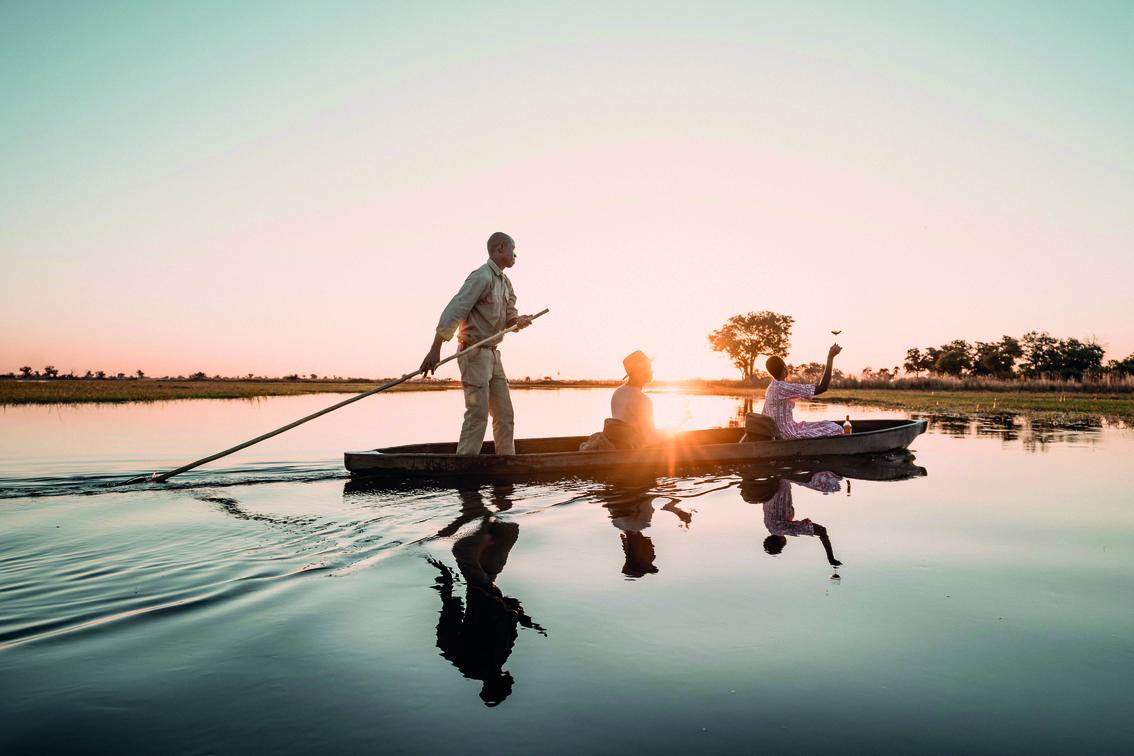
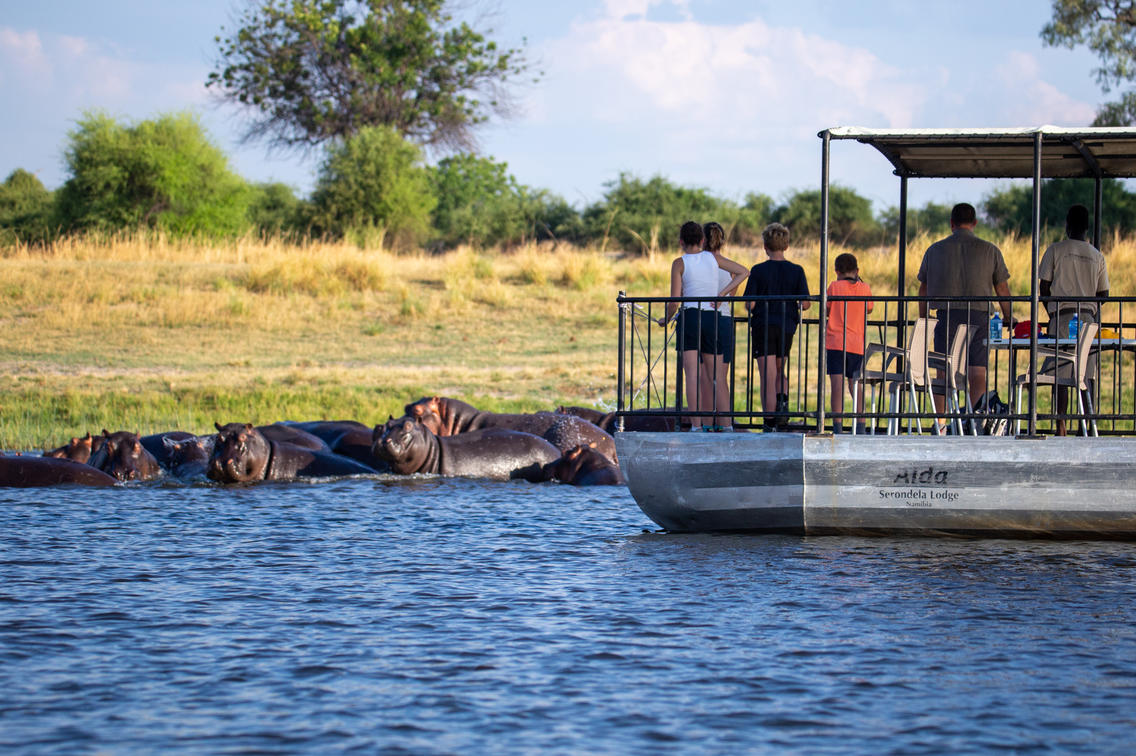
Your itinerary could instead include Botswana, Namibia, Zimbabwe, Zambia or additional areas of South Africa, depending on your interests and the time of year you travel.
How Much Does a 14-Day Southern Africa Safari Cost?
The cost of a two-week Southern Africa safari can vary considerably.
Your final price will depend on:
- Accommodation category
- Number of nights on safari
- Safari destination
- Flights
- Private transfers
- Vehicle hire
- Activities
- Travel season
- Number of travellers
There are excellent options for a range of budgets, from comfortable mid-range properties to exclusive luxury safari lodges.
Rather than choosing the cheapest option in each destination, it is often better to decide where you want to splurge and where you are happy to save.
For many travellers, spending more on the safari portion of the trip provides the greatest value because the guide, location and quality of game viewing can make such a difference.
Why Use a Safari Specialist?
Planning a Southern Africa itinerary independently can involve coordinating flights, transfers, accommodation, activities and different safari operators.
A safari specialist can help bring all of those pieces together.
At African Sunrise Safari, we understand that every traveller is different.
Some guests want luxury and relaxation. Others want adventure and wildlife. Some want to photograph the Big Five, while others are more interested in food, wine, culture and scenery.
Our role is to understand what you want from your holiday and build an itinerary around it.
We can help you choose the right destinations, accommodation, flights and activities while ensuring that the journey flows comfortably from one experience to the next.