
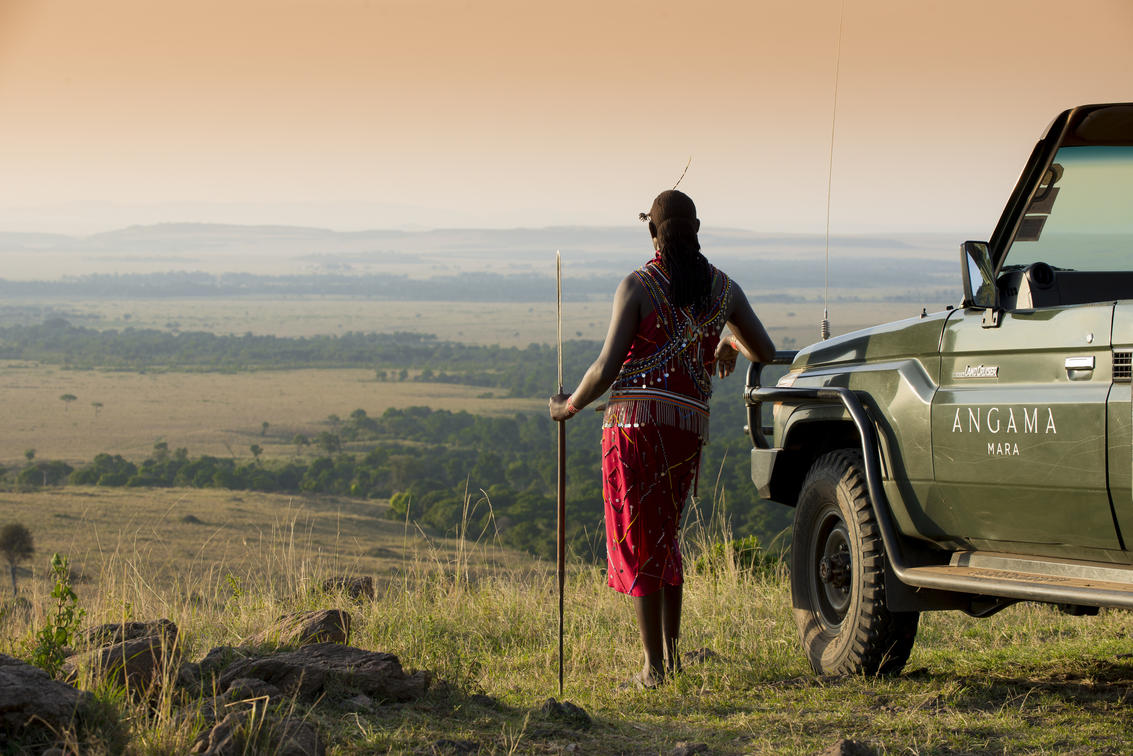
Tips for Your First Safari
Planning Your First Safari
Planning your first safari is an exciting milestone—but it can also feel overwhelming. I remember preparing for mine and having absolutely no idea what to expect.
By the end, you’ll know exactly where to go, when to travel, where to stay, and what your days will actually look like in the wild.
Types of Safari Accommodation
Choosing where to stay is one of the most exciting parts of planning your safari—and it shapes your entire experience.
Luxury Lodges
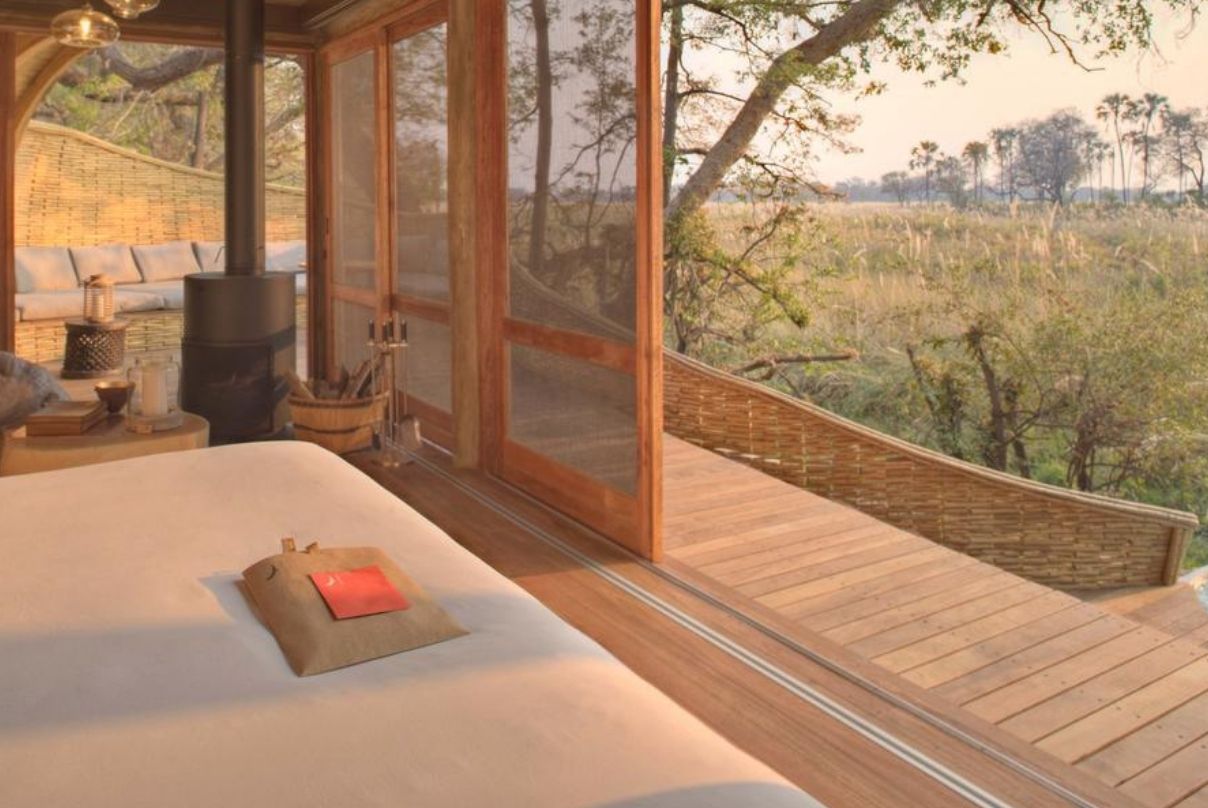
If comfort is your priority, luxury lodges offer an all-inclusive, high-end experience. Think spacious suites, gourmet dining, private game drives, and even spa treatments.
These lodges are often architecturally stunning, designed to blend seamlessly into the landscape while offering incredible views of wildlife. It’s not just accommodation—it’s an experience in itself.
Luxury Tented Camps
Luxury tented camps strike the perfect balance between adventure and comfort.
While you’ll stay in canvas structures, these are far from basic. Expect en-suite bathrooms, plush bedding, and sometimes even private plunge pools. You’ll feel closer to nature while still enjoying premium service.
Mobile Tented Camps
For a more authentic and adventurous safari, mobile tented camps offer a unique experience.
These camps move with wildlife migrations, allowing you to stay close to the action. While more rustic, they still provide comfort, great food, and expert guides.
Expect campfires under the stars, the sounds of wildlife at night, and a deeper connection to the bush.
me to reach out.
What to Consider Before Booking
Planning becomes much easier when you focus on a few key factors.
Your Budget
Safari pricing varies widely. As a rough guide, expect anywhere from £100 to £1,000+ per person, per night.
Most packages include accommodation, meals, drinks, and daily game drives—so while it may seem expensive upfront, it often covers everything.
What You Want to See
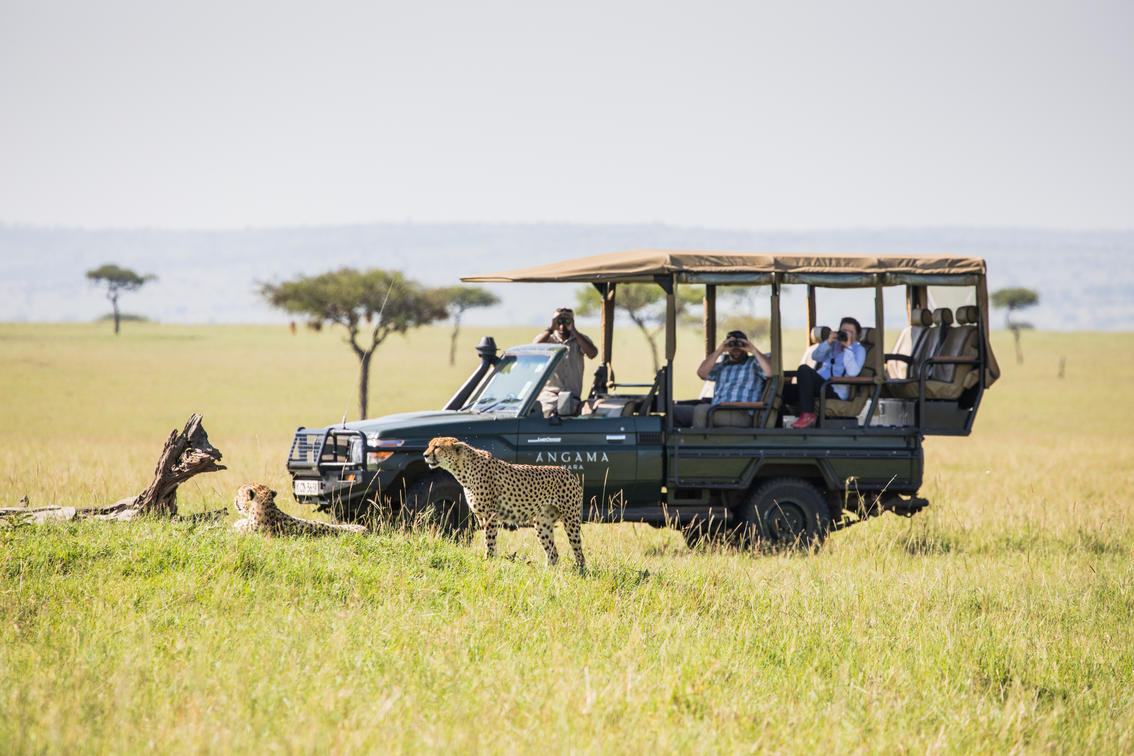
Are you dreaming of the Big Five? Or are you more interested in specific animals like cheetahs or birdlife?
Different regions are better for different wildlife. Knowing your priorities helps narrow down your destination dramatically.
Your Travel Style
Do you prefer luxury or something more rustic?
From high-end lodges to simple camps, your accommodation should match how you like to travel.
When to Go on Safari
Timing can make a big difference to your experience.
Dry Season (June – October)
This is the best time for wildlife viewing. Animals gather around water sources, making them easier to spot.
Expect cooler mornings and clear skies—perfect for game drives.
Wet Season (November – May)
The landscape transforms into lush greenery, and it’s the season of new life.
While wildlife can be harder to spot, it’s an incredible time for birdwatching and seeing newborn animals.
The Great Migration
If this is on your bucket list, visit between July and October for the dramatic river crossings in Kenya and Tanzania.
What Next?
By now, you should have a clear idea of what your perfect safari looks like—whether that’s a luxury lodge, a tented camp, or something in between.
But planning a safari involves many moving parts, and getting the details right can make all the difference.
That’s where expert guidance comes in.
With first-hand experience across Africa and years of planning safaris for clients, I can help you find the perfect destination, lodge, and itinerary—tailored exactly to your preferences.
From seamless logistics to once-in-a-lifetime wildlife experiences, everything is designed to fit together effortlessly.
If you’re ready to start planning—or just want to talk through your ideas—you’re always welcome to reach out.